Complete Guide to Snorkeling in Tenerife
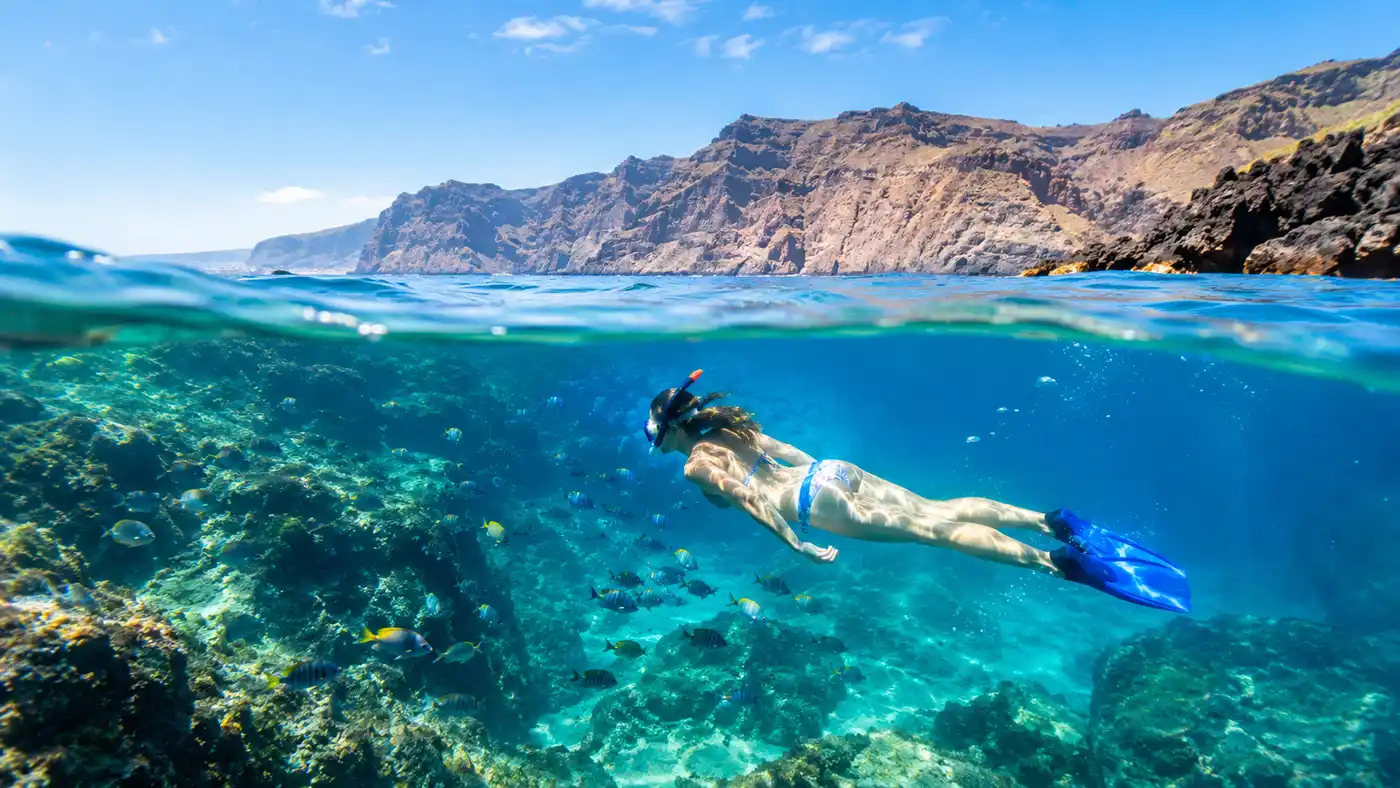
Most people arrive on the island thinking about volcanic peaks or cheap beer, but the real show starts two feet under the surface. The Atlantic around the Canary Islands is clear, jagged, and surprisingly full of strange Atlantic and subtropical life. If you grab a mask and slip into the bays around the southern coast, snorkeling tenerife reveals everything from massive bull rays floating over black sand to green sea turtles grazing on sea lettuce just thirty yards off shore.
The island was formed by violent eruptions, meaning the underwater scenery looks like a drowned moonscape. Basalt columns drop off into deep indigo water, volcanic shelves create shallow natural aquariums, and swim-throughs shelter schools of iridescent damselfish. You do not need a boat or an expensive guide to see the best of it. With a cheap rental car and an eye on the Atlantic swell, you can jump straight from the rocks into some of the cleanest water in Europe.
Book your scuba diving tenerife experience:
Best Spots for Snorkeling in Tenerife
Tenerife does not have continuous coral reefs like the Caribbean or Red Sea. Instead, life gathers around volcanic rock outcrops, sheltered coves, and underwater lava tongues where mollusks and algae grow. The south and southwest hold almost all the top spots because the towering volcano, Teide, blocks the trade winds and leaves the water glassy for days at a time.
Abades is perhaps the easiest place to spend an entire afternoon. It sits on the southeast coast, marked by an eerie abandoned leper station on the hill above. The bay itself is a wide, sandy arc sheltered by a rocky headland on the south side. If you swim along the rocky ridge, you enter a protected micro-reserve where fishing is banned. Octopuses hide inside discarded beer cans and rock cracks, while big groups of striped bream follow your fins hoping you kick up sand worms. The entry is dead simple: walk across the sand until your knees get wet, spit in your mask, and lay flat.
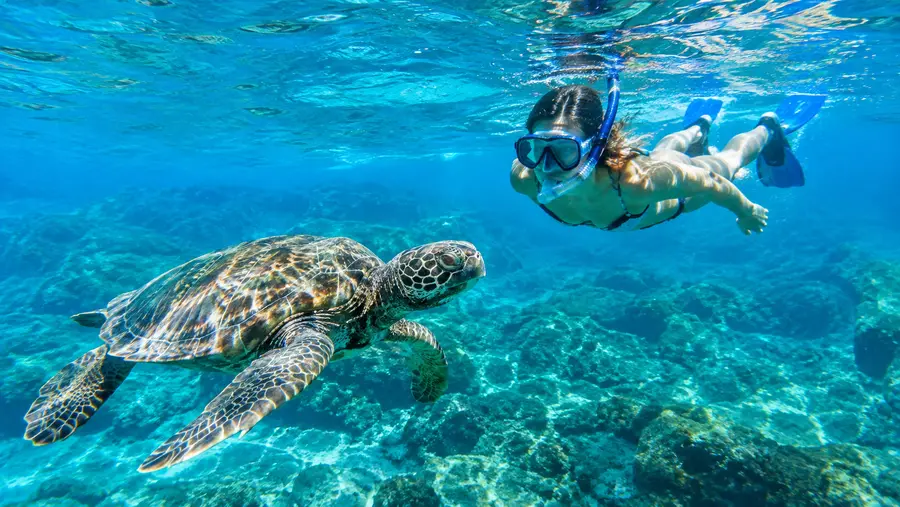
Alcalá feels wilder. Located further west, near Guía de Isora, this small fishing village has a series of manicured coastal paths and rough volcanic ocean pools. Head straight past the luxury hotel to the public ocean access stairs cut into the lava. The seabed here drops quickly to four or five meters. Big Atlantic green turtles frequent this bay to feed on algae clinging to the rocks, alongside canarian lobsters and trumpetfish hovering vertically like sticks. If you are also curious about deeper depths, our guide to scuba diving in South Tenerife and best dive sites maps out the deeper drops right off this coastline.
Pro tip: Always check the swell charts at Magicseaweed or Windguru before driving out. A tiny 0.8-meter swell from the southwest will turn rocky spots like Alcalá into washing machines, ruining visibility for twenty-four hours.
Montaña Amarilla, tucked into Costa del Silencio, is completely different visually. The cliff behind you is made of pale yellow volcanic ash carved by the wind, and those same smooth, sculpted terraces continue underwater. Swimming here feels like floating over an underwater skatepark. You step off a metal ladder fixed into the rocks straight into seven meters of water. Angel sharks rest on the yellow sand patches in the cooler months, camouflaged so well you will miss them until a sandy tail twitches.
| Snorkel Spot | Depth Range | Entry Type | Highlights | Best Wind Direction |
|---|---|---|---|---|
| Abades | 2 - 8 meters | Soft sand beach | Cuttlefish, rays, calm bay | North, Northwest |
| Alcalá | 3 - 10 meters | Ladders / flat rock | Green turtles, trumpetfish | East, Northeast |
| Montaña Amarilla | 4 - 14 meters | Ladder on rock face | Volcanic arches, angel sharks | North, Northwest |
| El Puertito | 2 - 6 meters | Dark sand beach | Historic turtle bay, easy swim | North, Northeast |
| Playa Las Vistas | 1 - 4 meters | Golden sand beach | Weeverfish, flatfish, beginners | Any (well-sheltered) |
El Puertito used to be famous because local dive schools fed a resident group of green sea turtles by hand. That practice was thankfully outlawed years ago, and while many turtles relocated along the coast, a few still wander in to graze peacefully. The bay is small, charming, and dotted with whitewashed fishermen shacks. It can get packed with sunbathers by 11 AM, so slip into the water right around breakfast for quiet conditions.
What You'll See When Snorkelling Tenerife
The mix of species in these waters is odd. You find cold-water Atlantic fish rubbing shoulders with warm tropical species blown in on Gulf currents. The bright yellow and turquoise Mediterranean parrotfish, known locally as vieja, is everywhere. They scrape the rocks with hard bird-like beaks, and you can actually hear them crunching when you hold your breath and dive three meters down.
Rays are the real crowd-pleaser for anyone planning tenerife snorkeling trips. You will see several distinct types if you spend enough hours looking down. Common stingrays lie half-buried in the sand with only their black, watchful eyes exposed. Butterfly rays look like wide diamond kites, rippling over the bottom without moving the water around them. Then come the rough-tailed bull rays. These can span two meters across, cruising through open water with an eerie, bird-like rhythm that makes your heart thump against your ribs the first time one glides beneath you.
Note: Under Canarian environmental law, chasing, cornering, or touching sea turtles and rays is strictly forbidden and carries fines upward of 3,000 euros. Keep three meters of distance and let them surface for air unimpeded.
Look into the shadowy fissures rather than just down at the sand. Canary moray eels poke their spotted heads out of dark basalt cracks, opening and closing their mouths to breathe. They look furious, but they have no interest in you unless you jam a hand blindly into their cave. You might also spot long, slender trumpetfish hanging motionless near vertical walls, waiting for tiny sardines to lose focus.
Winter brings angel sharks into shallow bays like Los Cristianos and Las Eras. They are flat like rays, but they are true sharks, ancient and docile. They hunt flatfish on the sand banks. You will often only notice an outline, a faint trace of their wing-like pectoral fins dusted over with black grit.
Tenerife Snorkeling by Season and Water Conditions
You can snorkel twelve months a year here, but the experience shifts dramatically depending on the month on your calendar. The Atlantic does not warm up on the same schedule as the Mediterranean. Water temperature lags behind air temperature by roughly two months.
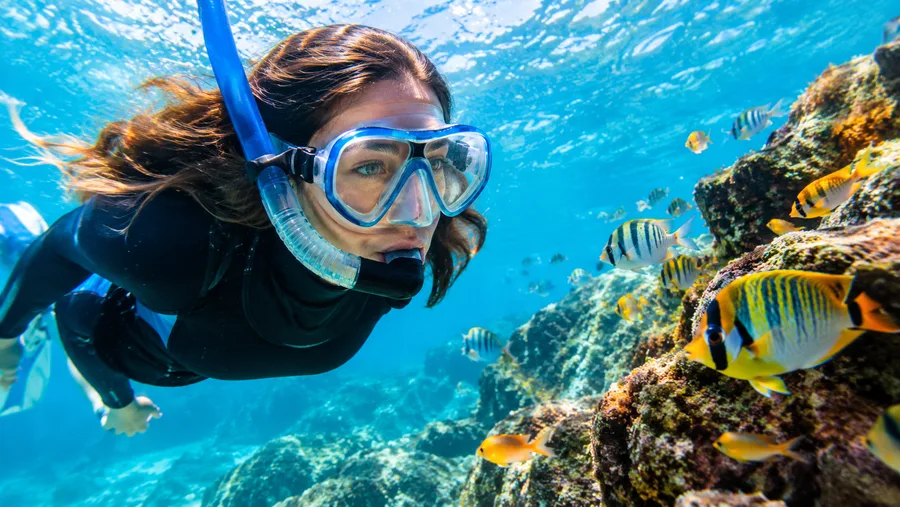
September and October offer prime conditions. The ocean has had all summer to absorb the sun, hitting 23°C or occasionally 24°C. The trade winds drop off, turning the south coast into an expanse of flat glass. Visibility regularly hits twenty-five meters. You can wear a thin 2mm shorty or just a rash vest if you do not get cold quickly.
February and March bring the coldest water, hovering around 18°C or 19°C. That sounds mild if you swim in the UK, but after twenty minutes of floating motionless on the surface, your core temperature drops fast. You need a 4mm or 5mm full wetsuit during these months. The payoff is that winter brings clearer open water and higher numbers of breeding rays and angel sharks coming into the shallows to mate.
- Summer (June - August): Water around 21°C to 22°C, moderate trade winds, best visibility early in the morning.
- Autumn (September - November): Peak season, warmest water (23°C - 24°C), minimal wind, exceptional clarity.
- Winter (December - February): Water drops to 19°C, larger swells on the west coast, angel sharks common in shallow sand bays.
- Spring (March - May): Water at its coldest (18°C - 19°C), blooming plankton can drop visibility to ten meters on rough days.
Book your scuba diving tenerife experience:
Practical Gear and Safety Advice for Tenerife Snorkeling
Never snorkel here without fins. The Canary Islands sit out in the open Atlantic ocean, and while bays look tranquil from the towel, tidal rips run past outer points with surprising force. Strong, medium-length fins give you the propulsion needed to swim against an unexpected current without burning all your oxygen in three panicked minutes.
Watch where you step when getting into the water. The long-spined black sea urchin, Diadema antillarum, carpets rocky ledges across the entire island. Their spines pierce neoprene boots with zero resistance and snap off under the skin, festering for weeks if you cannot dig them out with a sterilized needle. Find a clear patch of sand or use harbor steps. Never put your bare feet down on dark submerged rocks.
If you plan to rent your kit, practically every dive shop along the coast hires out masks, snorkels, and suits for around ten to fifteen euros a day. Buying cheap supermarket toys from beachside souvenir shops is a waste of money. The flimsy plastic buckles snap the moment a small wave hits your head, and thin PVC masks leak constantly. If you find yourself wanting to go beyond surface views, checking out a beginner's guide to scuba diving in Tenerife will help you decide whether a full tank dive makes sense for your trip.
- Footwear: Hard-soled neoprene booties keep your soles safe from jagged volcanic basalt and hidden sea urchins.
- Visibility buoy: A bright orange surface marker buoy is smart if you stray more than fifty meters from shore where jet skis and zodiacs run.
- Anti-fog drops: Spit works, but baby shampoo diluted with water keeps cheap tempered masks completely clear for an hour-long swim.
- Defensive hands: Keep your hands off rock crevices; fireworms and scorpionfish blend into the basalt surface seamlessly.
Guided Tours vs Self-Guided Snorkeling Tenerife
You face a choice between wandering into bays on your own steam or handing over forty to sixty euros for an organized boat excursion. Neither option is flatly better, but they suit different people.
Going self-guided gives you absolute freedom. You can wake up, look at the palm trees to judge the wind direction, and head wherever the sea looks calmest. You stay in the water as long as your toes stay warm, and you skip the chatter of large tourist groups splashing together like startled ducks. It costs nothing beyond your gear. All Spanish coastlines have guaranteed public access by law, meaning you can walk through any port or coastal promenade right down to the tide line.
Organized boat trips offer access to steep cliff faces you cannot reach on foot. The giant basalt cliffs of Los Gigantes in the west plunge four hundred meters straight into the Atlantic, leaving zero shore access. Boat charters anchor directly beneath these sheer stone faces where sea life gathers in untouched water. If you want to kayak alongside dolphins before jumping in with turtles off the Palm-Mar sea wall, booking a guided kayak-and-snorkel setup from Los Cristianos harbor is easily worth the money.
Tours also provide thick suits, proper safety briefings, and guides who know which specific rock overhang conceals a sleepy green turtle on that exact day. For nervous swimmers or families with younger children who are not confident reading ocean currents, a boat crew with life rings and spotters makes the whole outing far less stressful.
Frequently Asked Questions about snorkeling tenerife
Do I need a wetsuit for snorkeling in Tenerife?
In late summer and autumn you can get away with a rash guard or a 2mm shorty, but from December through May a 3mm to 5mm full wetsuit is necessary to stay warm for more than twenty minutes.
Can you see sea turtles from the shore?
Yes, especially at Alcalá and El Puertito. Both bays allow you to swim straight out from the beach or ladders into areas where green sea turtles graze on rock algae.
Is snorkeling safe for beginners in Tenerife?
It is very safe in sheltered bays like Abades and Las Vistas. However, avoid rocky points, northern coastlines, and anywhere with breaking surf, as open Atlantic currents can be deceptive.
Where is the clearest water for snorkeling?
Montaña Amarilla and the protected bays near Radazul offer some of the clearest water on the island, frequently boasting visibility exceeding twenty meters when the swell is low.
Quick Reference
- Water temps: 19°C (March) to 24°C (October)
- Prime spot for turtles: Alcalá rocks
- Best beginner beach: Abades bay
- Watch out for: Black long-spined sea urchins
- Best time of day: 8:30 AM to 11:00 AM
Book your scuba diving tenerife experience:
Before You Pack Your Fins
Do not leave your mask at the hotel just because the sand is black and looks strange from the beach promenade. The ocean around this volcanic island is alive in a way that catches most visitors off guard. Rent a decent pair of rubber fins, buy a tube of anti-fog, check the wind before breakfast, and go find a quiet rock ladder. The Atlantic will take care of the rest.
Read more about scuba diving tenerife.